

Home battery storage
Store your solar – and buy power when it's cheapest.
A battery keeps the energy you generate for after dark, and lets you fill up overnight on a cheaper tariff instead of paying peak rates. Whether you've already got solar or you're starting from scratch, we'll design storage that suits how your home actually uses power.
Solar makes power when the sun's up – but that's usually when nobody's home. A battery fixes the timing: it stores what you make (or what you buy cheaply overnight) so you use it when you'd otherwise be paying the most. It's the piece that makes the rest of the system work harder for you.
How it works
One team, survey to switch-on.
We look at how you actually use energy
Your usage pattern and any existing solar decide the right size – too big wastes money, too small leaves value on the table.
We design the right retrofit or full system
If you've already got solar we'll advise AC- or DC-coupled (more on that below); if you haven't, we'll design a battery-ready setup.
We install and commission it
Same local team, tidy work, home left as we found it.
We set up your smart-tariff schedule – then we're still here
You reach the same people afterwards.
Self-consumption, honestly explained
30% → 70–90% of your own solar, used at home
Without a battery, a typical home uses only about 30% of the solar it generates – the rest is exported. Add storage and that self-consumption can climb to 70–90%, so far more of your free daytime power actually ends up powering your home. There's a second win: tariff arbitrage. On a smart tariff you can charge the battery overnight when electricity is cheapest and run the house from it during the expensive peak hours. We'll show you the method for your tariff – we won't quote you a fixed pence-per-unit figure, because those rates change.
These figures are estimates, not a guarantee – actual results depend on your property, energy use and tariff. We'll show you the numbers for your home after a survey. Assumptions: industry-typical self-consumption uplift with storage; your figure depends on usage, system size and tariff. Source: industry self-consumption data. Leeds solar yield of ~850–950 kWh per kWp per year is industry data (MCS irradiance standard MIS 3002 / PVGIS) for an optimally-oriented, unshaded system – not our own measured result.
Already have solar?
Two ways to retrofit – we'll tell you straight.
AC-coupled
Bolts on alongside your existing inverter – the flexible option for retrofits. It also lets owners on a pre-2019 Feed-in Tariff (FIT – the legacy scheme that pays you for what you generate) add storage without affecting those historic payments.
DC-coupled
Wires into the solar side and can be a touch more efficient, but suits new or replacement systems better. Which is right depends on your kit – we'll tell you straight, not sell you the dearer one.
A battery's first job is helping you use more of your own power – and our battery installs are MCS-certified (NAPIT certificate NAP/75199/25/2). Paired with MCS-certified solar, that's the certification Smart Export Guarantee registration needs when you're ready to earn on your surplus; suppliers set their own rates, and we sort the paperwork with your handover.
Whole-home, one team
What pairs with storage.
See it for your home
What could storage keep on your bill?
Your estimate
Answer a couple of questions to see an estimated range for a home like yours.
Capped at your current electricity spend – an estimate can't save more than you pay.
How we worked this out
Electricity unit rate: 26.11p per kWh – based on the current Ofgem price-cap electricity unit rate (Ofgem energy price cap, 1 Jul – 30 Sep 2026 (announced 27 May 2026); updated 1 July 2026). The cap changes quarterly, so this assumption is refreshed and re-dated when it does.
Solar yield: 850–950 kWh per kWp per year (MCS irradiance standard MIS 3002 / PVGIS, Yorkshire; optimally-oriented, unshaded – industry data, not our measured result). Self-consumption without storage: 30–50%; with a battery: 70–90% (cited industry ranges). Heat-pump efficiency: SCOP 2.5–3.5 typical (Seasonal Coefficient of Performance – real seasonal efficiency, not lab COP), toward 4.0–4.5 with underfloor heating in well-insulated homes.
These figures are estimates, not a guarantee – actual results depend on your property, energy use and tariff. We'll show you the numbers for your home after a survey. Assumptions: self-consumption lifted from ~30–50% to 70–90%; generation 850–950 kWh per kWp per year; current Ofgem price-cap unit rate (updated 1 July 2026); standing charges still apply. Source: industry self-consumption data; MCS MIS 3002 / PVGIS; Ofgem (unit rate). Leeds solar yield of ~850–950 kWh per kWp per year is industry data (MCS irradiance standard MIS 3002 / PVGIS) for an optimally-oriented, unshaded system – not our own measured result.
Honest pricing
Battery cost depends on capacity and whether it's a retrofit or a full system, so we give a guide, not a headline.
Guide price bands are on their way. We only publish figures that are achievable in practice, so we're confirming them before they go live. Prices shown will be indicative – your firm quote follows a home survey.
0% VAT applies to qualifying energy-saving materials (solar, battery, heat pumps) until 31 March 2027, after which the reduced rate of 5% applies (HMRC VAT Notice 708/6).
What you can check for yourself
4.7 ★
average Google rating
21
real Google reviews
5
services under one roof
2023
installing since
Members of the Renewable Energy Consumer Code (RECC) – member no. 00077341 – covering solar PV, battery storage and air source heat pumps. MCS certified for solar PV & battery (NAPIT cert NAP/75199/25/2).
Read all 21 reviews →Real installs · Real homes
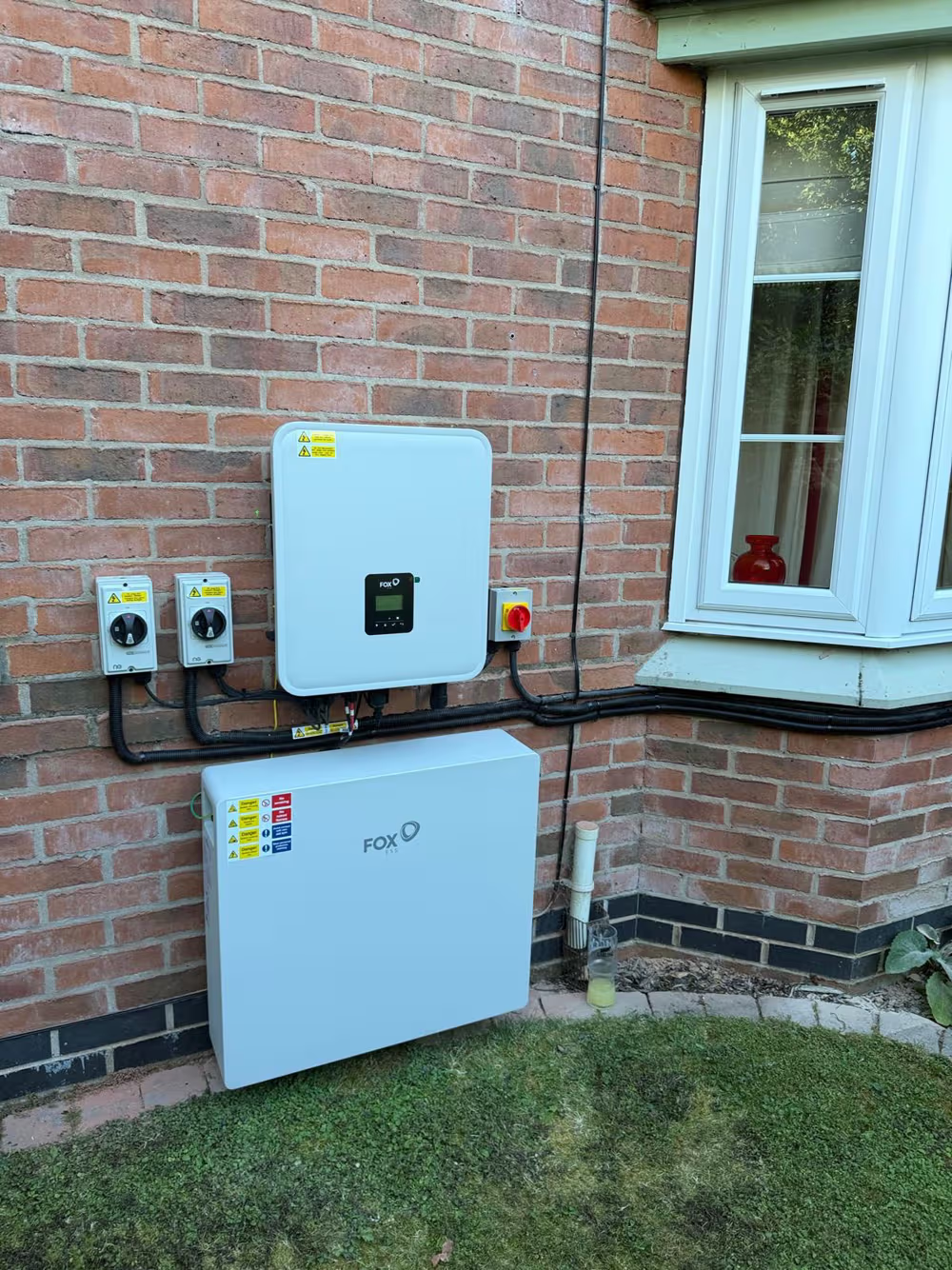
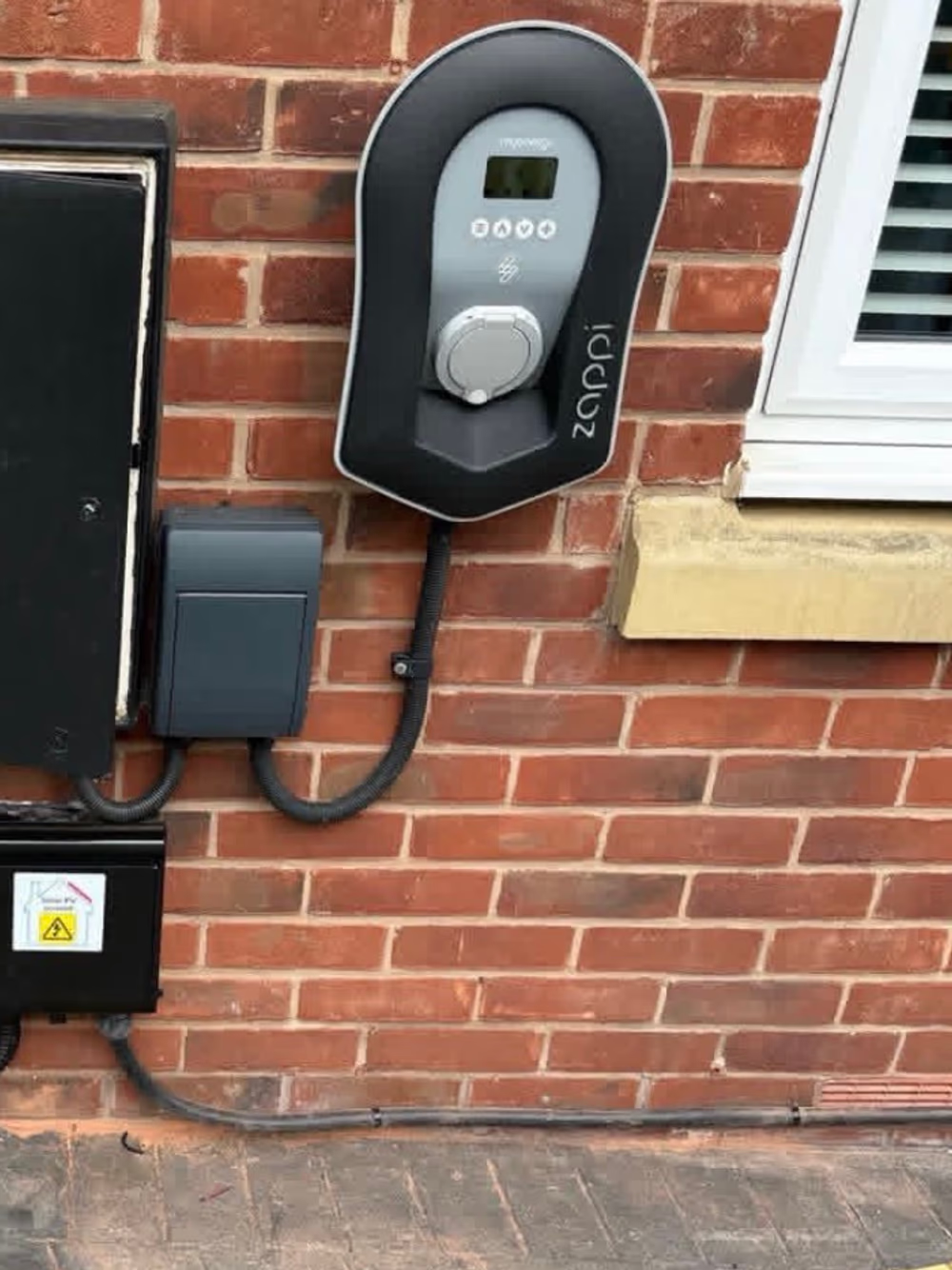
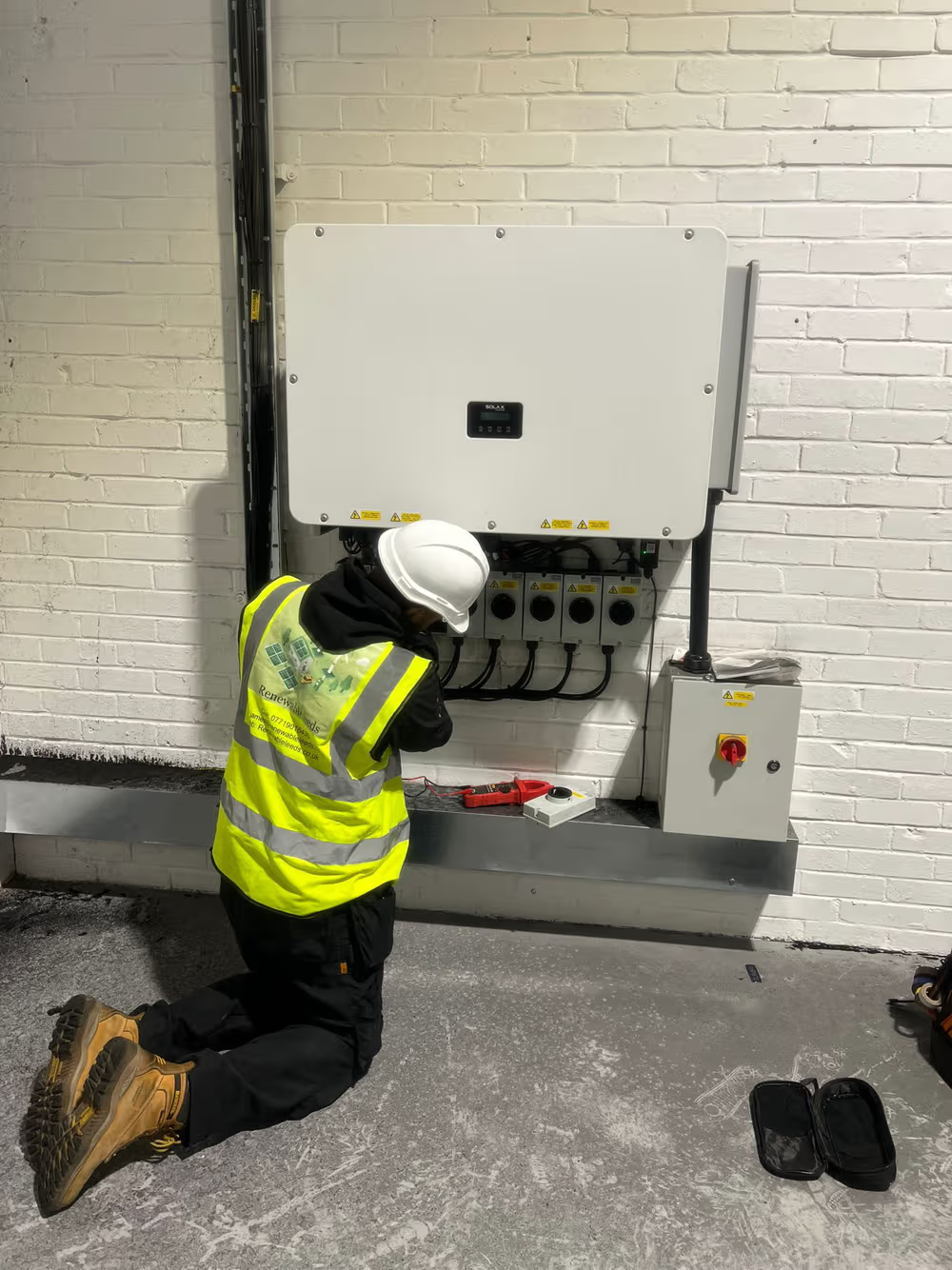
Our work, as we left it.
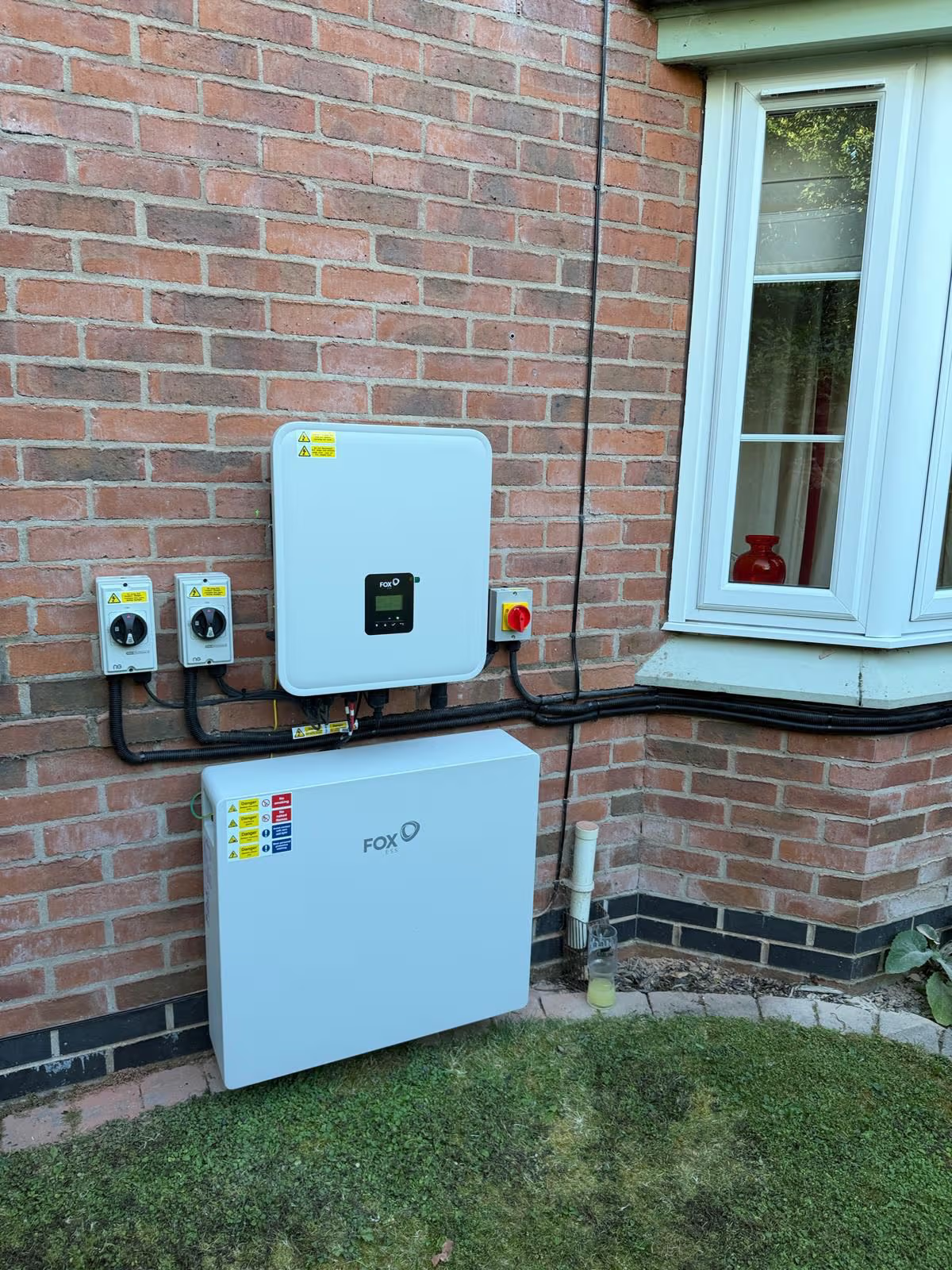
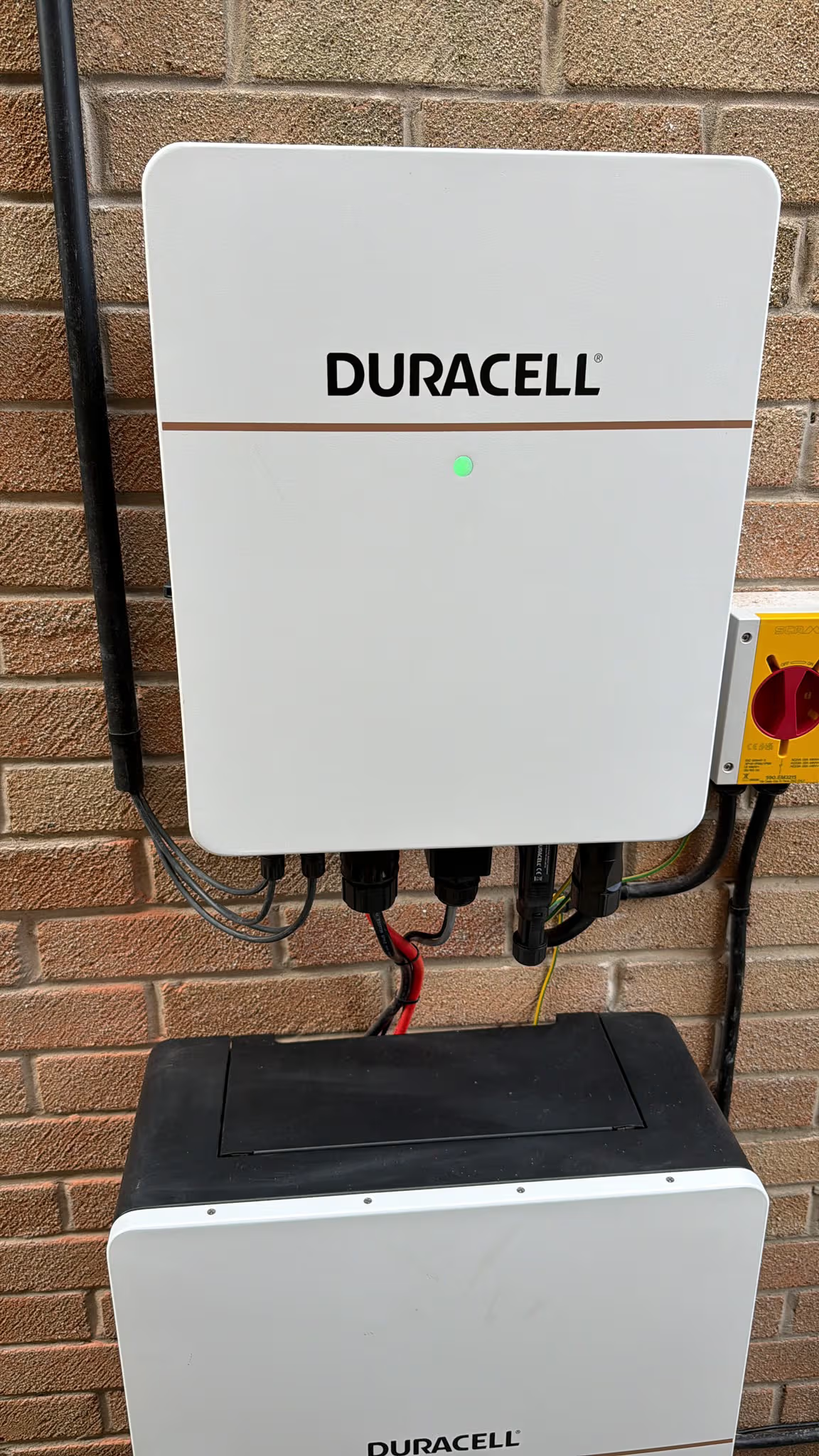
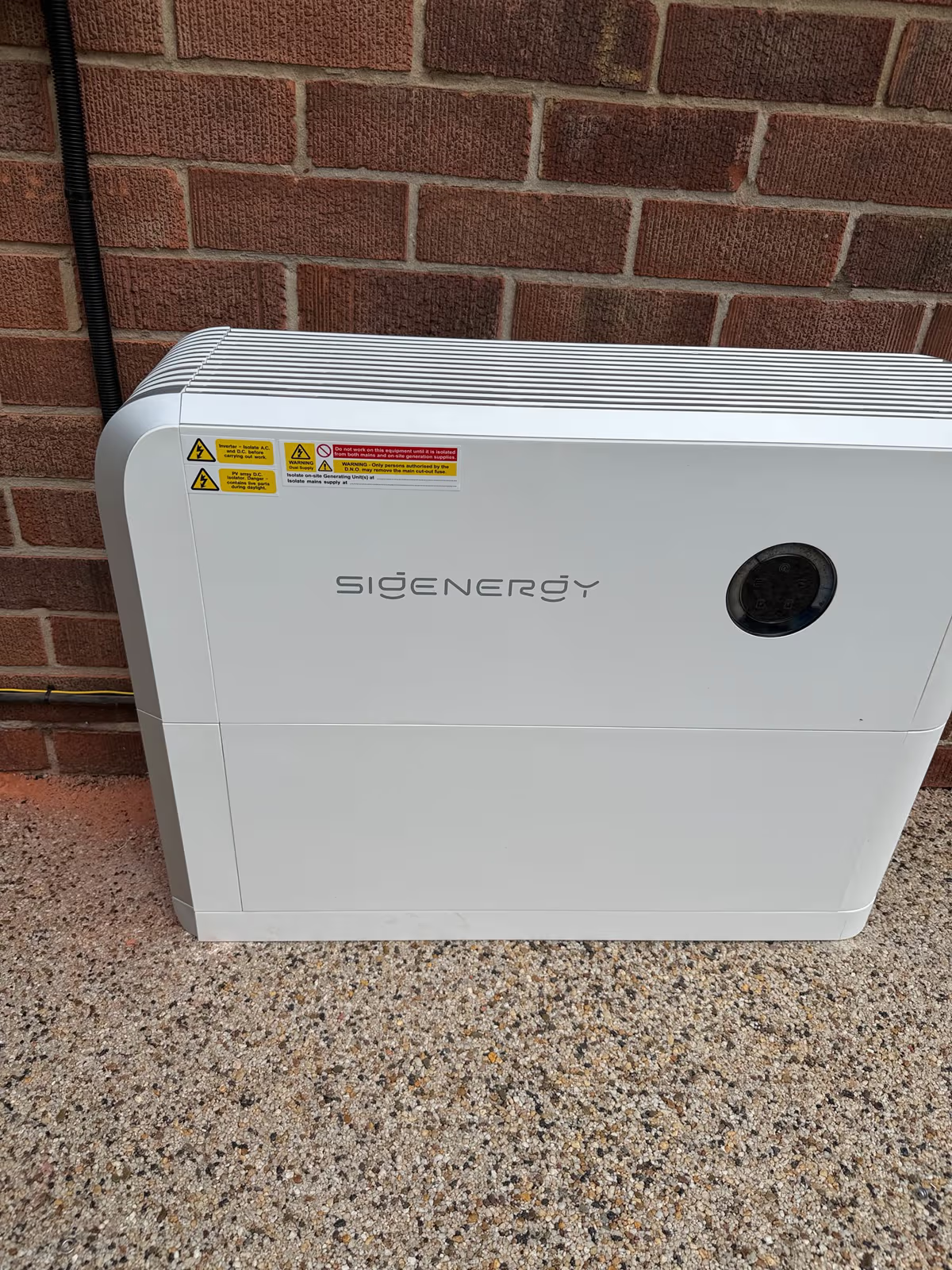
Sited right. Wired neat. Ready for dark.
Straight answers
Questions we hear a lot
Can I add a battery to solar I already have?
Usually yes – often AC-coupled so we don't disturb your existing inverter, and (for pre-2019 FIT owners) without affecting your legacy payments. We'll confirm on survey.
How much will it save me?
It shifts when you use power rather than promising a fixed figure – we'll model a range for your home and tariff, never a single guaranteed number.
Do I need solar for a battery to be worth it?
Not necessarily – on a smart tariff a battery can charge overnight at cheaper rates and run the house at peak. We'll tell you honestly if it stacks up for you.
Is the 0% VAT permanent?
No – 0% VAT applies to qualifying energy-saving materials (solar, battery, heat pumps) until 31 March 2027, after which the reduced rate of 5% applies (HMRC VAT Notice 708/6).
Book a proper survey – not a sales visit
Want to keep more of the power you pay for?
Book a proper survey – not a sales visit. We won't cold-call you.
Step 1 of 5